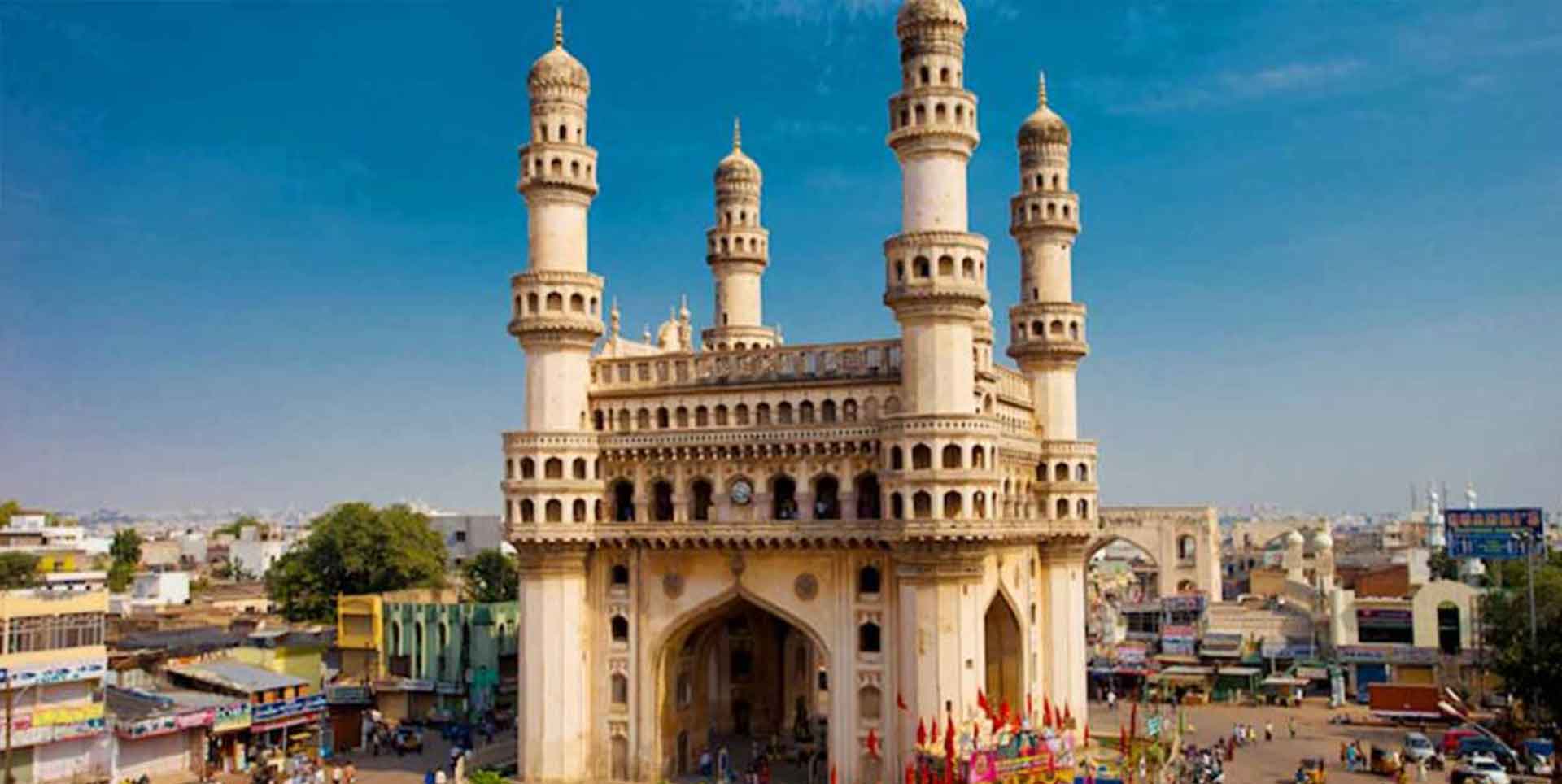
Almost synonymous with Hyderabad, the iconic Charminar was built in 1591 by Mohammed Quli Qutb Shah, the city’s founder. Standing at the heart of the old city, it continues to shine in all its splendour amidst the bustling lanes of Laad Bazaar, famous for its vibrant bangles and traditional shopping.
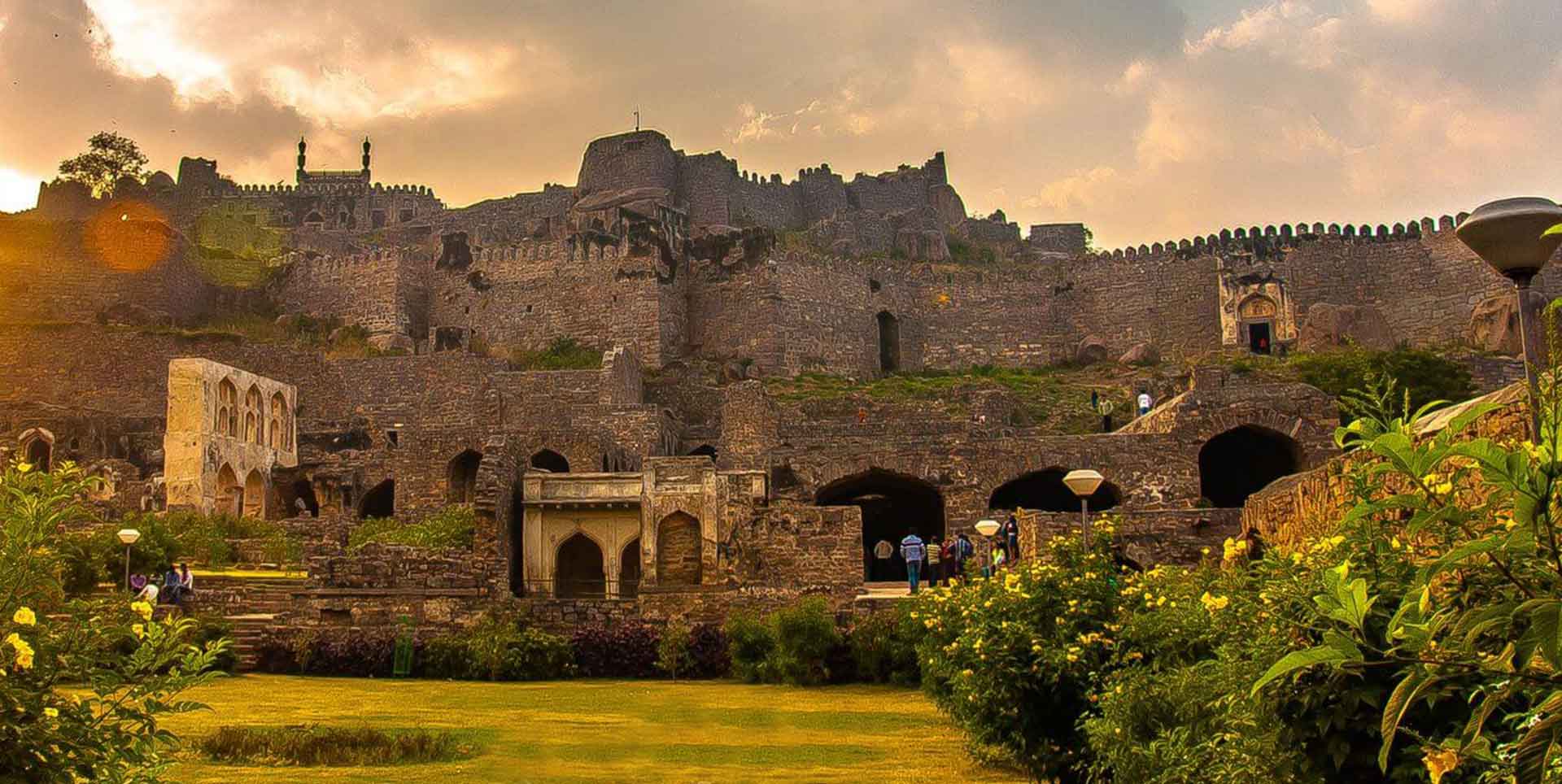
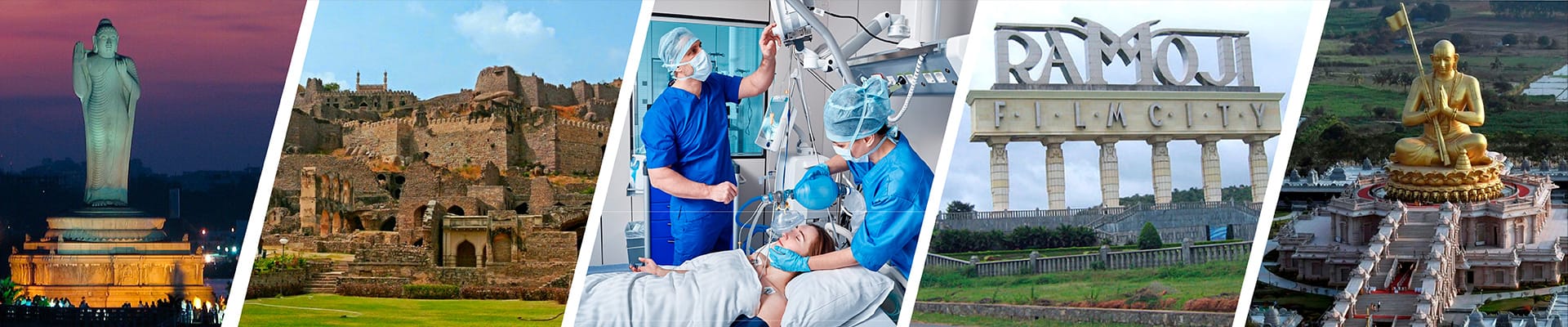
One of India’s most renowned forts, Golconda derives its name from the Telugu words Golla Konda or “Shepherd’s Hill.” Originally a mud fort, it was later transformed into a grand stronghold by the first three Qutb Shahi kings over 62 years. Known for its brilliant acoustics, ingenious water supply system, majestic palaces, and the famed Fateh Rahben cannon, Golconda Fort offers visitors a glimpse into Hyderabad’s glorious past.
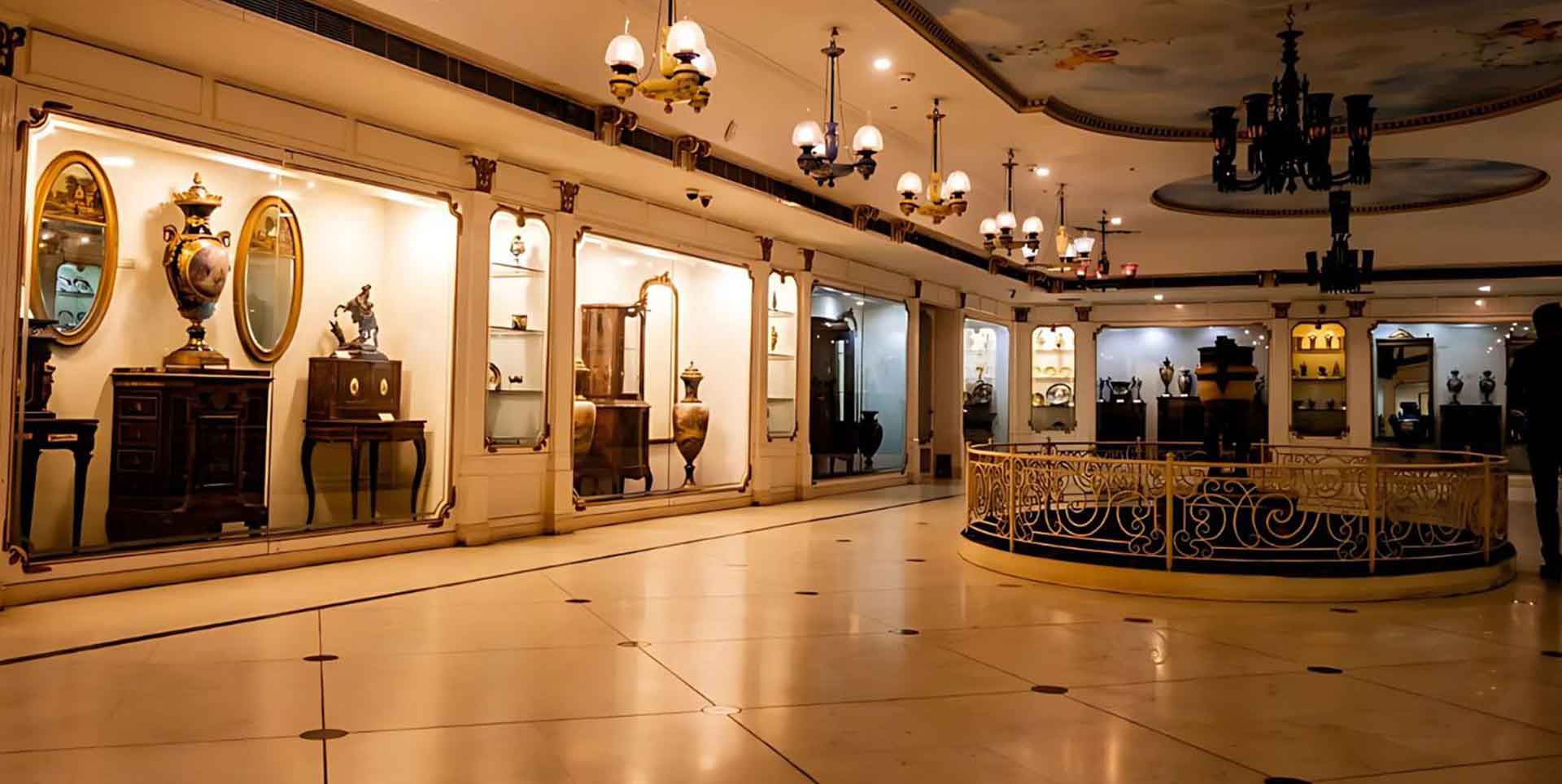
This museum is one of the largest collection of antiques by one man – Mir Yousuf Ali Khan, Salar Jung III. The display includes Persian carpets, Moghul miniatures, Chinese porcelain, Japanese lacquerware, famous statues like the Veiled Rebecca and Marguerite and Mephistopheles, a superb collection of jade, daggers belonging to Queen Noor Jahan and the Emperors Jahangir and Shah Jahan, Aurangzeb’s sword and many other fabulous items.
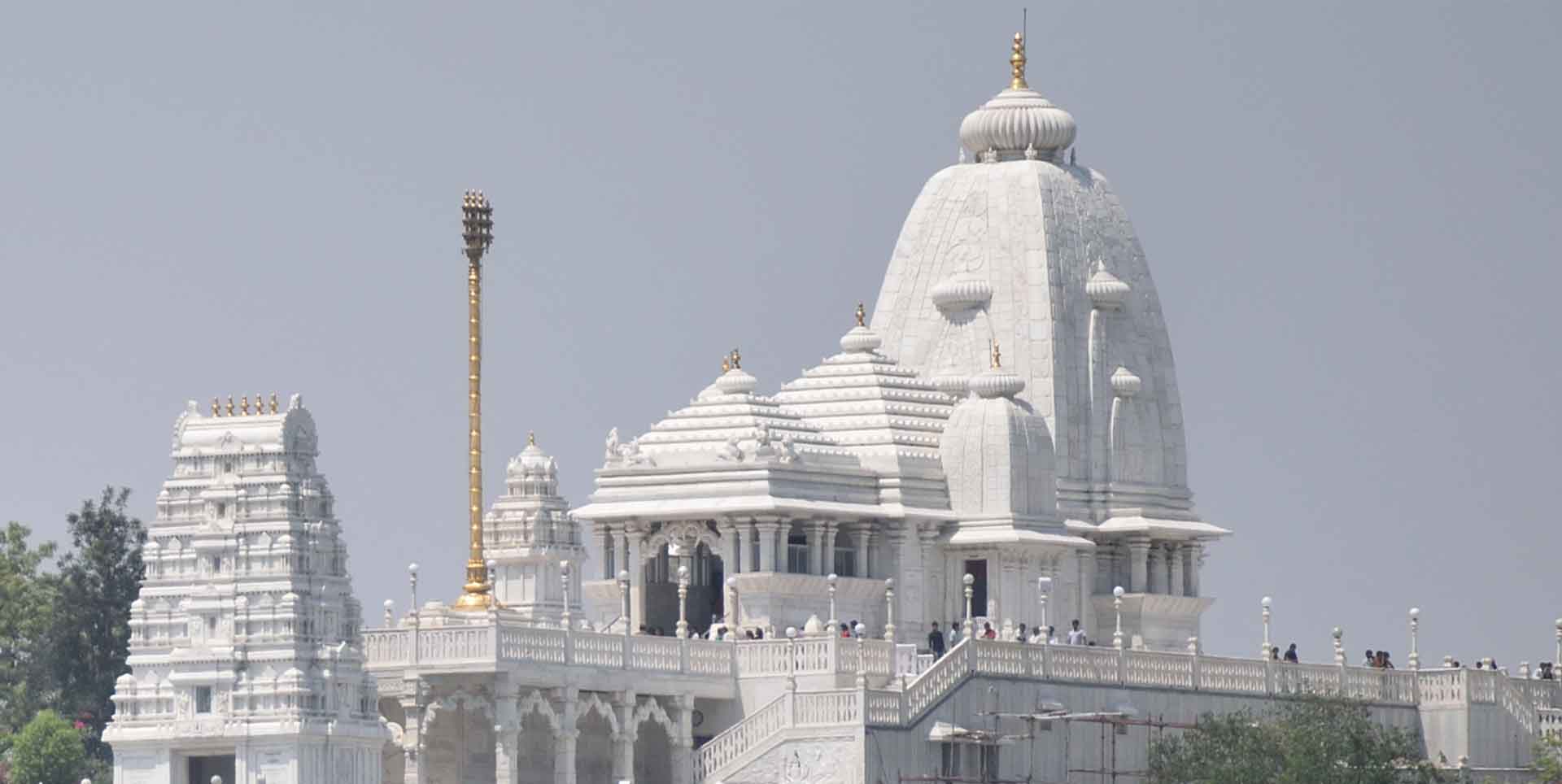
Perched atop the Kala Pahad hillock, the striking Birla Mandir is built entirely of pristine white marble. Known for its intricate carvings and sculpted ceilings, the temple overlooks the serene Hussain Sagar Lake, offering a panoramic view of the city.
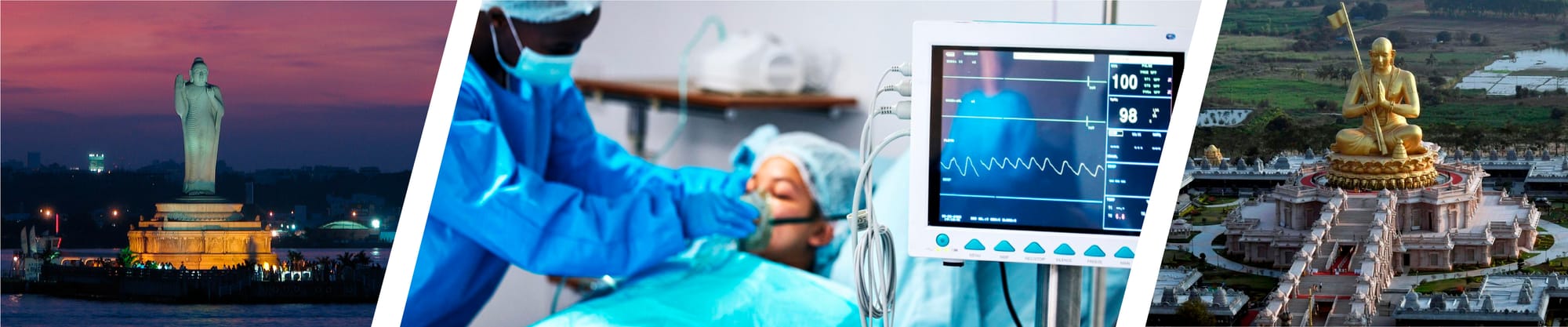
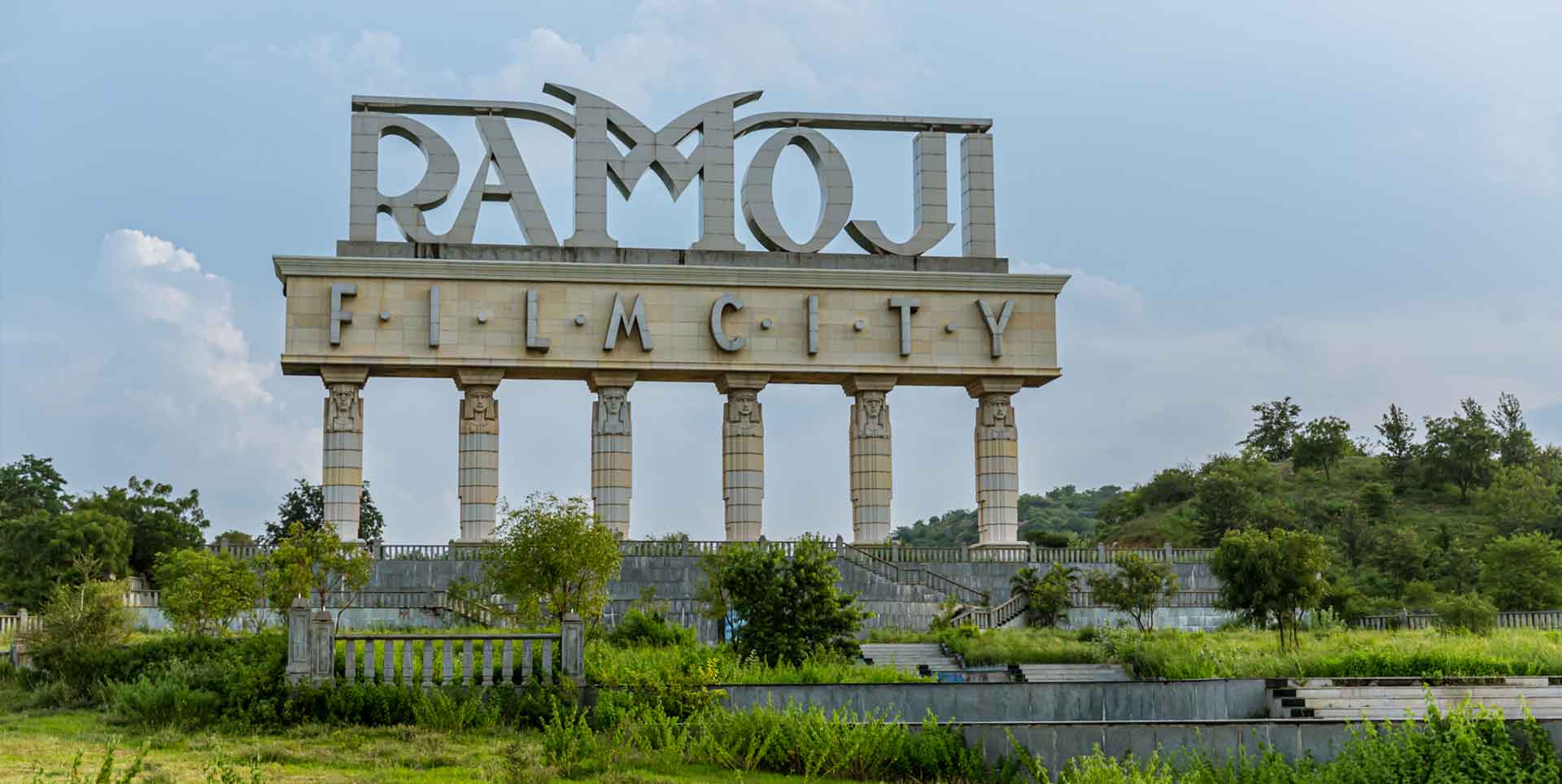
Recognized by the Guinness World Records as the largest film studio complex in the world, Ramoji Film City sprawls across 2,500 acres. It offers an unparalleled cinematic experience with countless sets, including replicas of London Street, the Hollywood sign, Japanese gardens, an airport, and even a hospital.
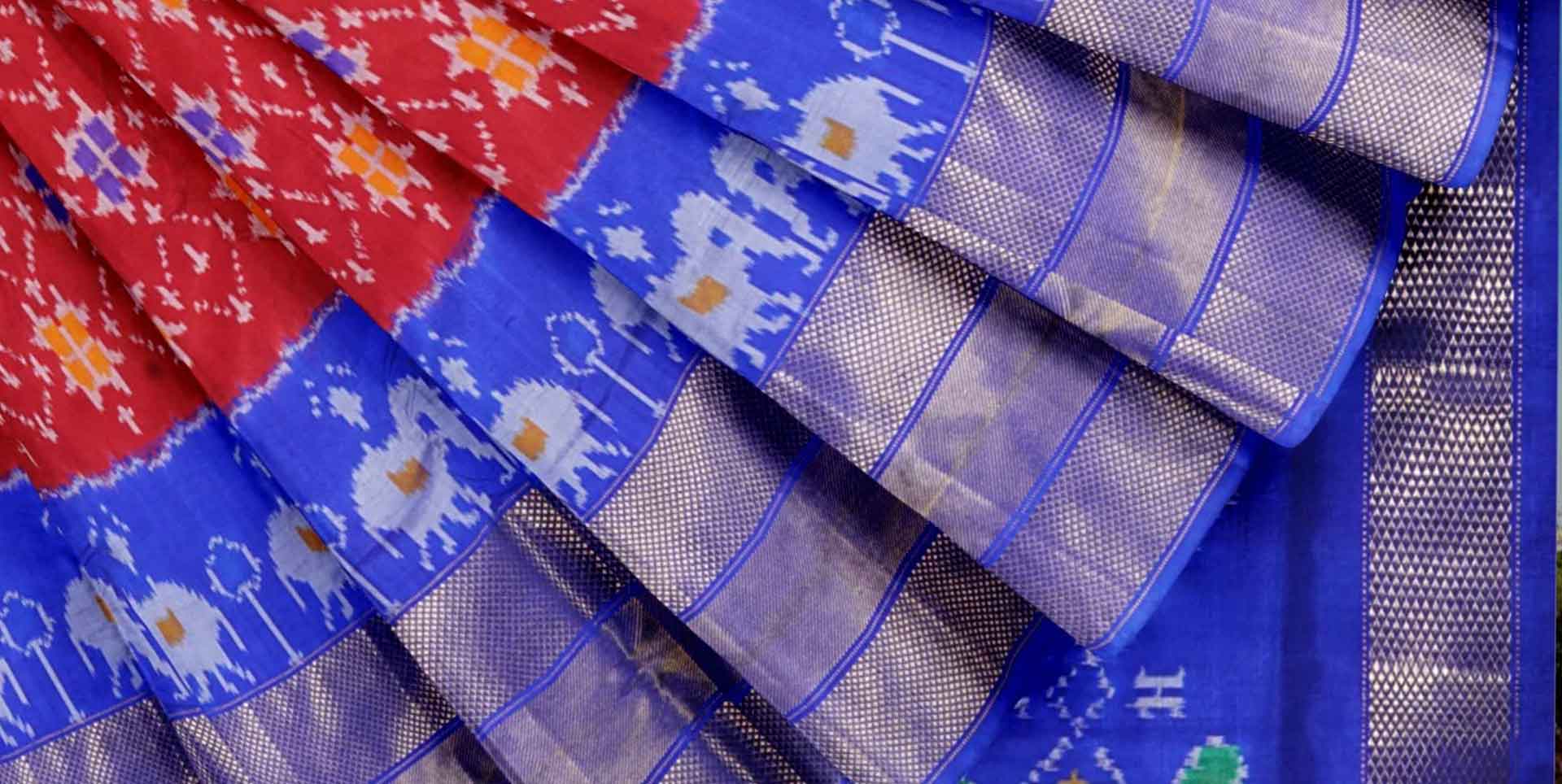
Pochampally sarees are traditional handwoven sarees from the village of Bhoodan Pochampally in Telangana, India. They are also known as Ikkat sarees. The sarees are known for their intricate geometric patterns, which are created using the Ikat style of dyeing.
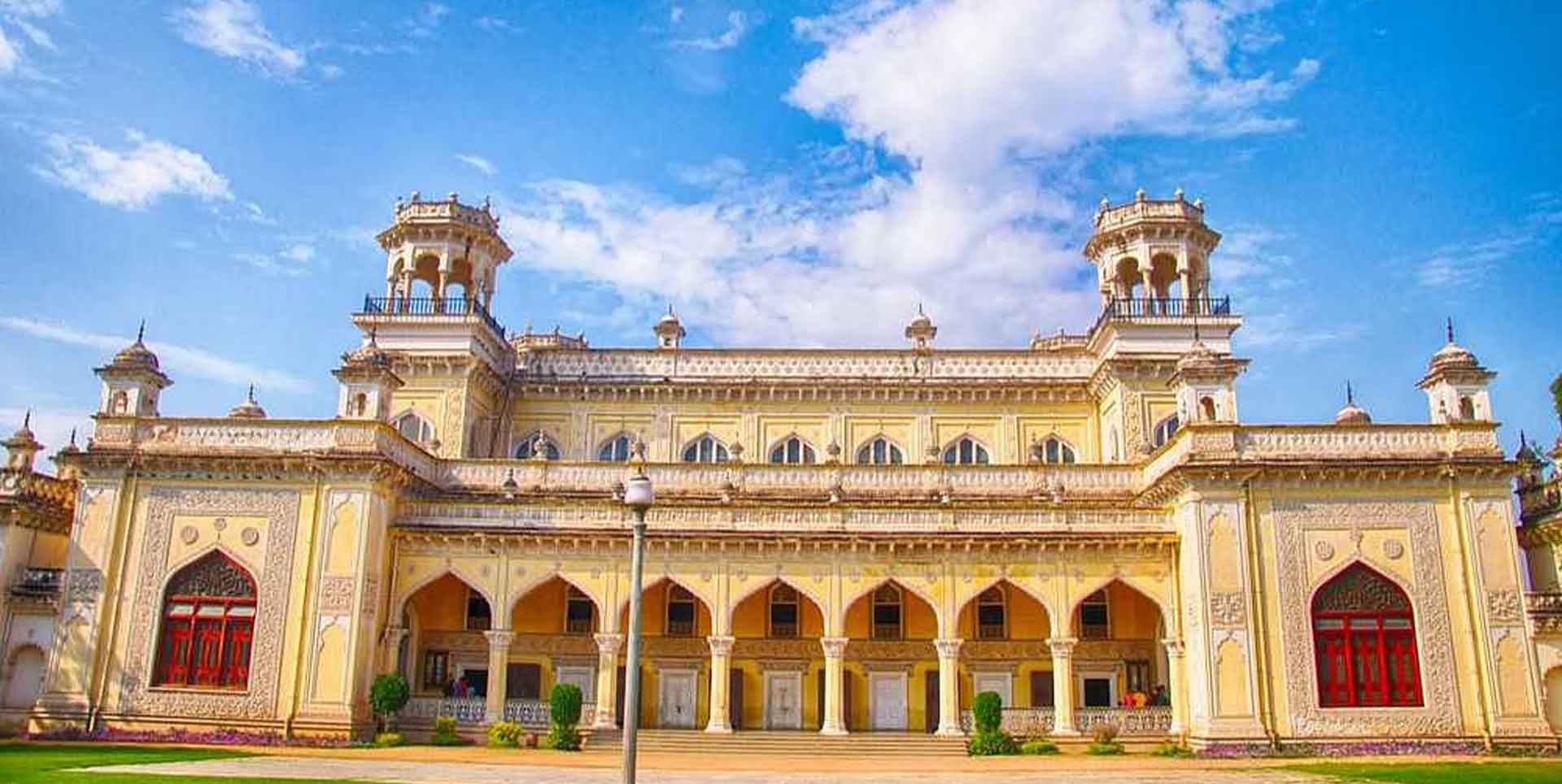
Built in the 18th century as the seat of the Asaf Jahi rulers, Chowmahalla Palace is a magnificent complex of four palaces known for its fusion of Persian, Indo-Saracenic, and European styles. Its highlight, the Khilwat Mubarak Durbar Hall, with grand chandeliers and marble platforms, reflects the splendour of Nizam rule. Restored to glory, the palace remains a symbol of Hyderabad’s regal heritage.
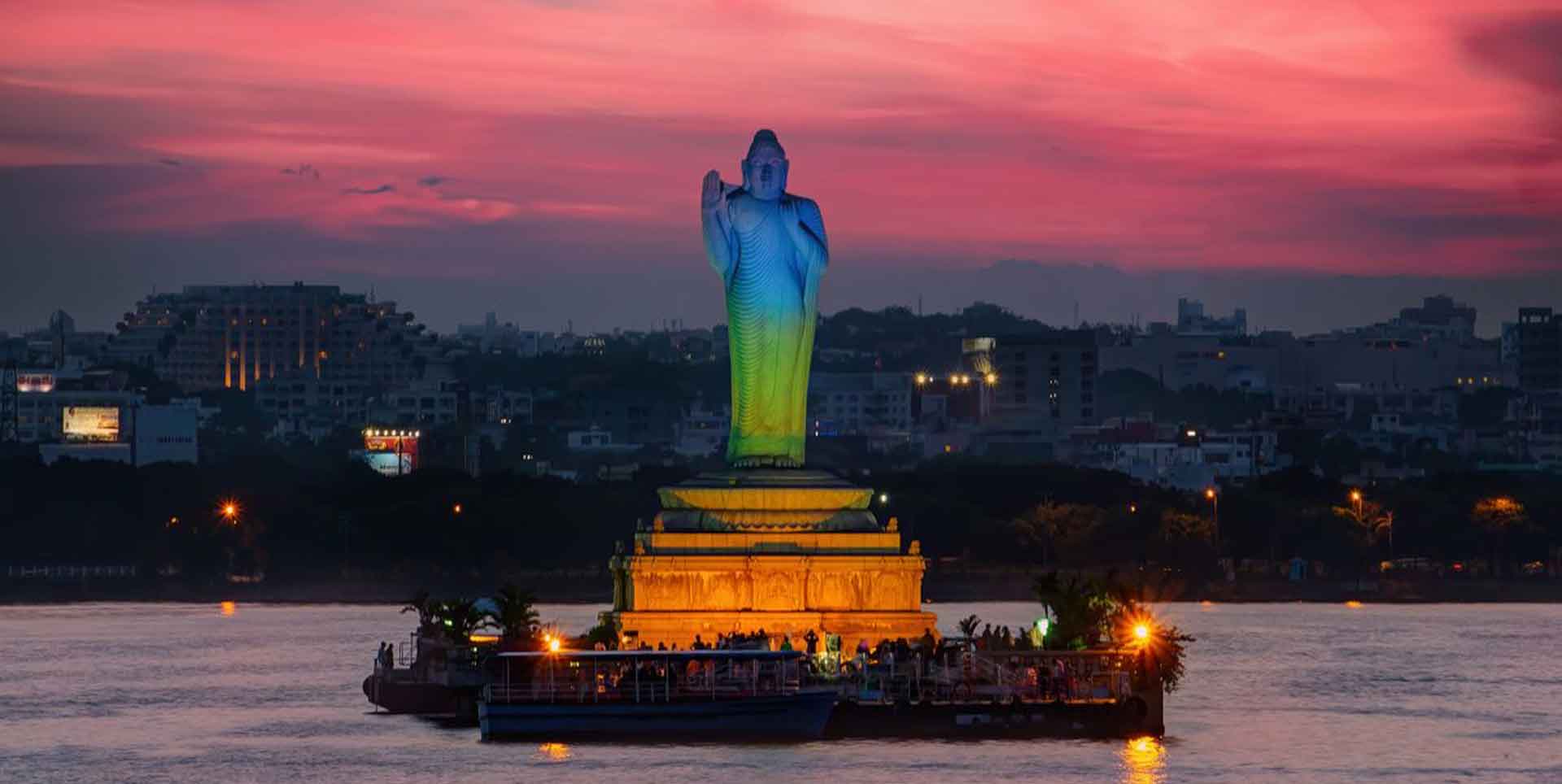
Hyderabad is home to the world’s tallest Buddha Monolith erected on Gibraltar Rock in the middle of Lake Hussain Sagar. It is made of solid granite rock found in the nearby mountains and was sanctified by the Dalai Lama in 2006. It is close to the Lakdi Ka Pul metro station and the best time to visit is in the evening when the statue is lit up in beautiful colours. Boating and other water-based activities like jet skiing and parasailing are also available.
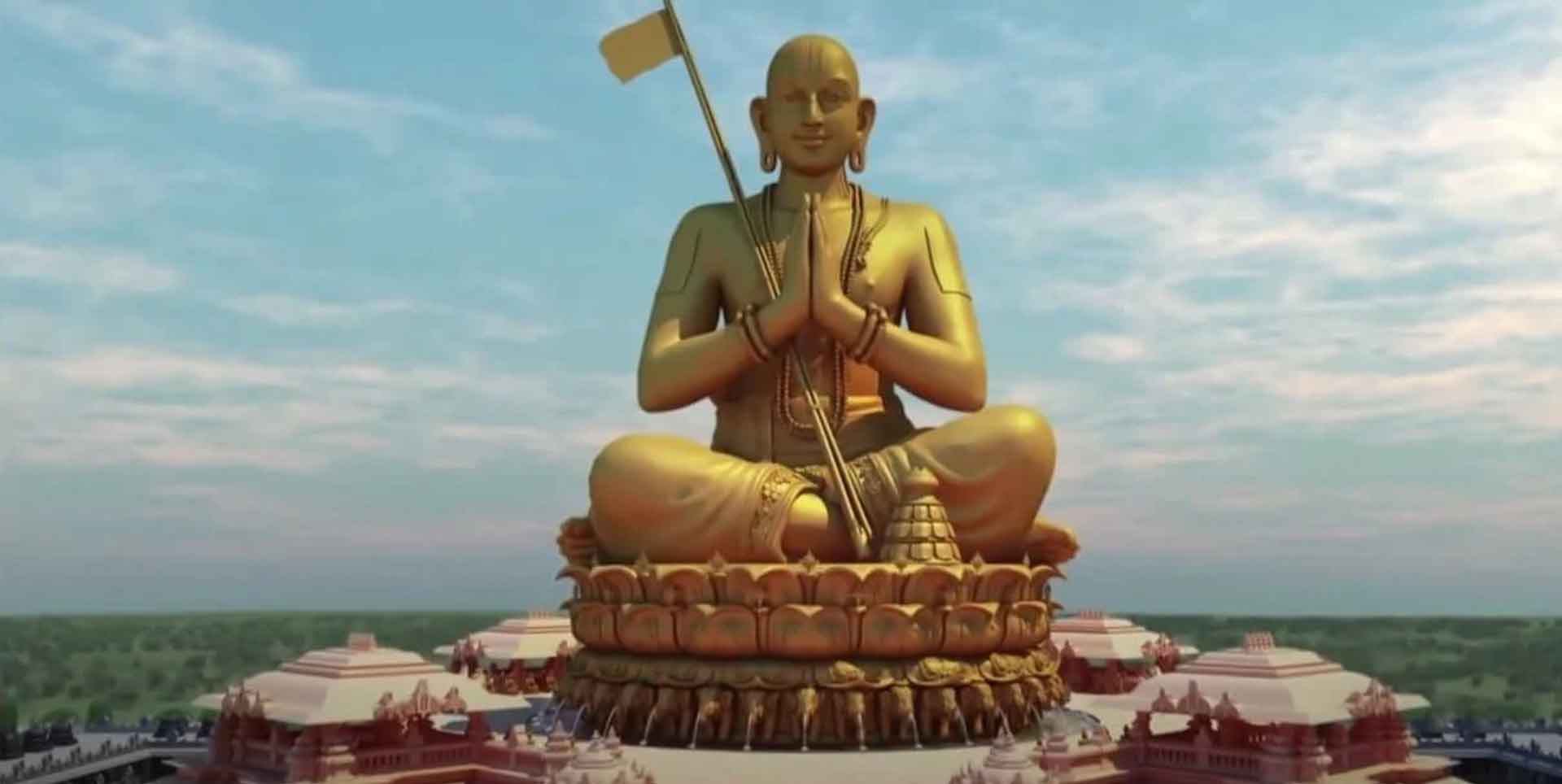
The Statue of Equality, also known as the Ramanuja statue, is a statue of the 11th-century Vaishnavite Ramanuja, located on the premises of the Chinna Jeeyar Trust at Muchintal, Ranga Reddy district in the outskirts of Hyderabad. The 216-foot-tall Statue of Equality celebrates the 11th-century Vaishnavite saint Sri Ramanuja, who promoted the idea of equality in all aspects of living including faith, creed, and caste. This statue of Sri Ramanujacharya is a symbol of his wisdom, detachment, and ideals. Sri Ramanujacharya made the country familiar with the real concept of social reforms and worked for Dalits and the backward.
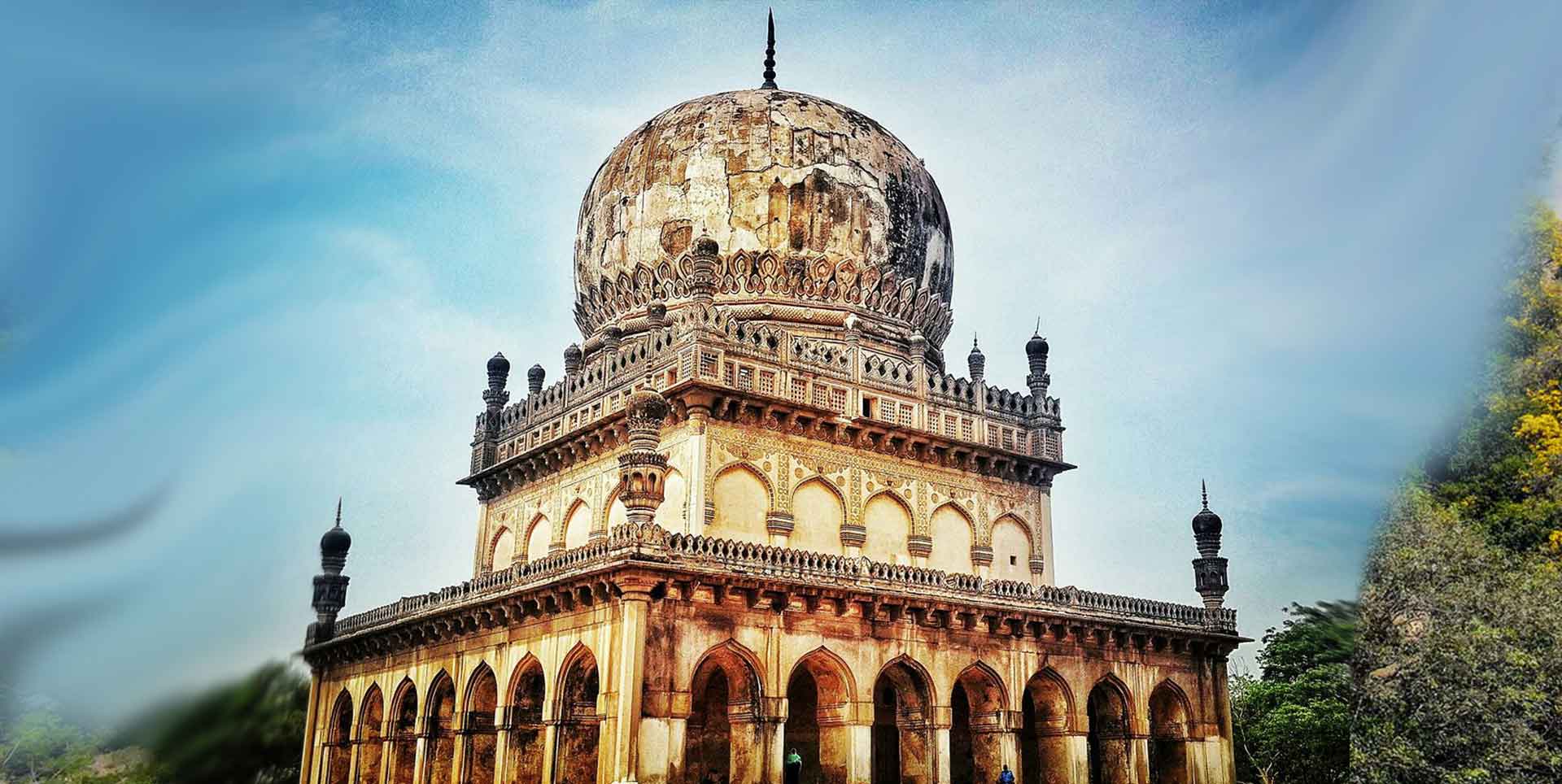
Qutub Shahi Tombs, Erected in the memory of the departed kings of Golconda, they are magnificent monuments that have withstood the test of time and nature’s vagaries. They are located one kilometer north of Golconda Fort’s called Banjara Darwaza. They are imposing marvels of architectural excellence that stand as the reminders of the glory of Golconda kings who are buried at the same spot. Built by the Qutub Shahis, these tombs are considered to be among the oldest historical monuments of Hyderabad.
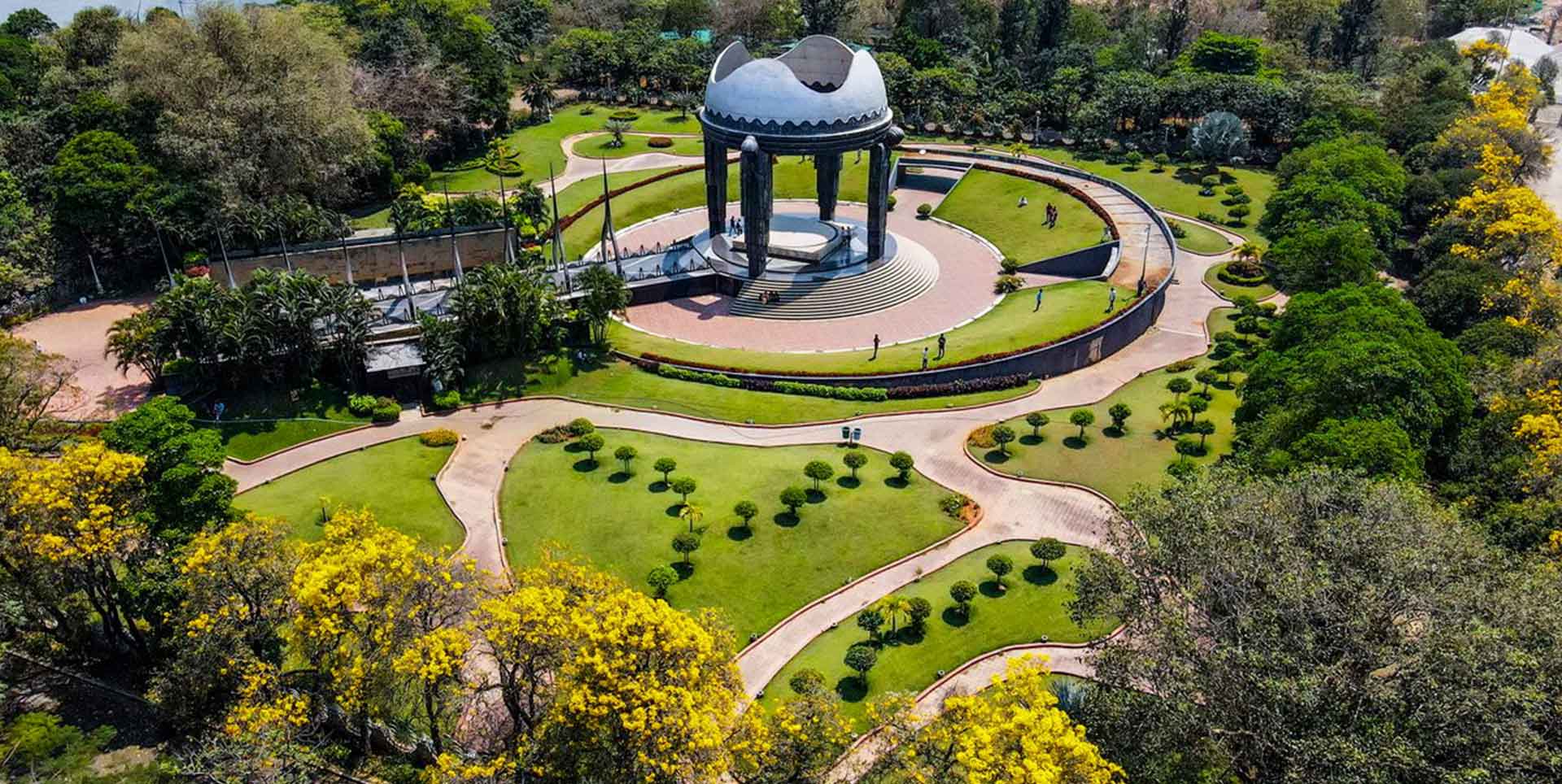
NTR Gardens is a small public, urban park of 36 acres adjacent to Hussain Sagar lake in Hyderabad, India. It is named after the former Chief minister of Andhra Pradesh, N. T. Rama Rao. Constructed in several phases since 1999, the area that is predominantly a park is geographically located in the centre of the city, and is close to other tourist attractions such as Birla Mandir, Necklace Road and Lumbini Park. It is maintained by the Buddha Purnima Project Authority that functions under the directives of the Government of Telangana.
Like on Facebook
Follow on Twitter
Follow on Linkdin
Follow on Instagram